
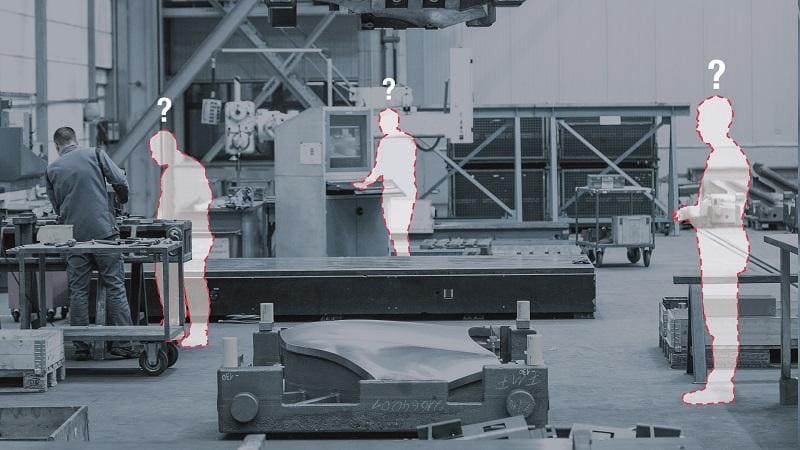
The open jobs number making the rounds this year hides where the actual shortage sits. Specialist roles like CNC programmers, process technicians, and press operators stay open the longest, and averaging your time-to-fill across the floor buries the req that's actually costing you money.
Manufacturing leaders are well aware of the persistent skilled labor shortage by now.
According to the Plastics Industry Association, there were 462,000 open manufacturing positions nationally in March. A significant portion of these openings involve specialized technical roles, such as the CNC programmers, process technicians, and maintenance professionals that are critical on plastics plant floors. These positions typically remain open far longer than general production roles.
We’ll break down where those shortages hit hardest in plastics manufacturing, why posting more openings rarely fixes it, and the changes that actually shorten your hiring timeline for critical roles.
What’s Actually Inside the Open Jobs Number
The Bureau of Labor Statistics projects that industrial machinery mechanics and maintenance roles will grow more than 13% through 2033, while overall production roles grow much more slowly, or even decline slightly.
The jobs that stay open the longest all require deep, specialized experience.
- Industrial machinery mechanics and maintenance roles. Few people develop the specific mix of mechanical, electrical, and controls knowledge these positions demand. Those who do become highly sought after and get pulled between plants quickly.
- Process technicians and CNC programmers. These roles appear in shortage discussions every year for the same reason: they require years of hands-on work with particular machine classes that no generic resume search can replace.
- Flexographic press operators and extrusion technicians. The titles sound somewhat common, but the qualified candidate pool shrinks dramatically once you specify the exact press class or line configuration. The same pattern shows up in printing and packaging with press operators and converting technicians.
General production and assembly roles usually fill within weeks because the skill bar is lower and the available labor pool is much wider. Posting for an assembly position is like fishing in a big lake. On the other hand, posting for a CNC programmer is like fishing in a small creek, and treating both searches the same way wastes valuable time.
Why Adding Headcount Alone Often Falls Short
When specialists are hard to find, the first instinct is often to just hire more people. But that approach hits the same wall every time.
Laurie Harbour, a partner at Wipfli Advisory, has observed plants that continue adding headcount while operating well below optimal capacity. In one example, a molder hired 40 additional employees but remained at only 35% utilization because underlying throughput and process issues were never addressed.
Her advice: fix efficiency and right-size the team before chasing more bodies.
The same principle applies to specialist shortages. A press operator experienced on one machine class often requires months of training to become proficient on another. Bringing in more people without addressing skill alignment and process bottlenecks rarely delivers the expected productivity gains.
Many plants already understand this dynamic yet default to broad postings due to internal metrics that prioritize speed-to-fill over quality of hire. A generic listing may close the requisition, but it does not bridge the gap between hiring and actual on-floor competence.
A Sequence That Matches Hiring Speed to Role Specificity
The retention risk in the previous section and the throughput problem before it trace back to the same cause: plants treat every opening the same way until the damage shows up.
Plants that track time-to-fill as one company-wide number bury the role that actually needs attention. A CNC programmer position can sit open since spring while the overall average still looks fine. Four changes fix that.
1. Split your time-to-fill metric by skill tier
Instead of tracking one overall “time-to-fill” number, break it down by skill level. Separate process techs, maintenance roles, and other skilled positions from general production openings.
This split gives leadership a much clearer picture of where the real problems are. A general operator role might take three weeks to fill, but losing a process tech or experienced maintenance person can drag on for months. With this view, you can direct the strongest recruiting effort exactly where it matters most instead of treating every vacancy the same.
2. Give specialist recruiters more than a job description
Don’t just hand recruiters a generic job posting. Give them the details upfront: the specific equipment make and model, control system (Siemens, Fanuc, Allen-Bradley), shift pattern, and any required certifications.
That extra information lets a good recruiter target people who already have meaningful hours on that exact machine class or very similar equipment instead of wasting time sorting through candidates who only have general experience.
3. Start the clock before the position officially opens
A 60- to 90-day runway sounds reasonable to secure strong candidates for skilled technical roles, but waiting for an official vacancy is usually too late. In most plants, the earliest signals come from maintenance leads or shift supervisors who hear rumblings or notice performance changes.
The smart move is to proactively agree on a pre-approved fast-track hiring process for roles above a defined skill threshold, such as CNC programmers, process technicians, or experienced mold setters. This way, you can skip or speed through the normal budget and headcount approval headaches. Get that agreement locked in before your CNC programmer or key tech drops their notice.
4. Screen for equipment-specific fit
When evaluating candidates who advance in the process, have a structured assessment of their hands-on experience with the exact, or closely related, equipment. Prioritize those who have operated the specific press or molding machine class, demonstrate working knowledge of its control system, and can clearly articulate real troubleshooting scenarios they’ve encountered and resolved on that platform.
That’s the strongest predictor you have of on-the-floor performance. Candidates with proven, relevant equipment experience typically require significantly less ramp-up time, reduce costly downtime, minimize scrap rates, and contribute to production targets from day one. Generic manufacturing experience or mechanical aptitude, while valuable, often falls short when the nuances of a particular machine’s behavior, parameter settings, and failure modes are involved.
That said, waiting until a veteran specialist resigns means you’re always starting the retraining clock from zero, even when the warning signs were visible weeks earlier. The fastest way to close a specialist role is to begin the process before the requisition goes live. That’s the real difference between staying ahead of your hiring needs and still posting the same opening months later.
Wondering how many of your open specialist reqs would close faster with the right search behind them? Cannonball Recruiting places plastics, printing, and packaging professionals on the exact equipment your floor runs. Reach out to us for a quick read on which of your roles need a specialist search.
Frequently Asked Questions
Why does the 462,000 open manufacturing jobs number matter for plastics hiring?
The headline number hides where the real shortage sits. Specialist roles like CNC programmers, process technicians, and press operators stay open far longer than general production roles, but averaging time-to-fill across the whole floor buries that problem in a number that looks fine overall.
Does hiring more people fix a specialist shortage?
Not on its own. A press operator experienced on one machine class often needs months of training to run a different one, so adding headcount without addressing skill alignment rarely delivers the expected productivity gains.
How can a plant close specialist roles faster?
Split time-to-fill metrics by skill tier instead of tracking one company-wide number, give recruiters equipment specifics up front instead of a generic job description, start the search before the position officially opens, and screen candidates for hands-on experience with the exact or closely related equipment.