
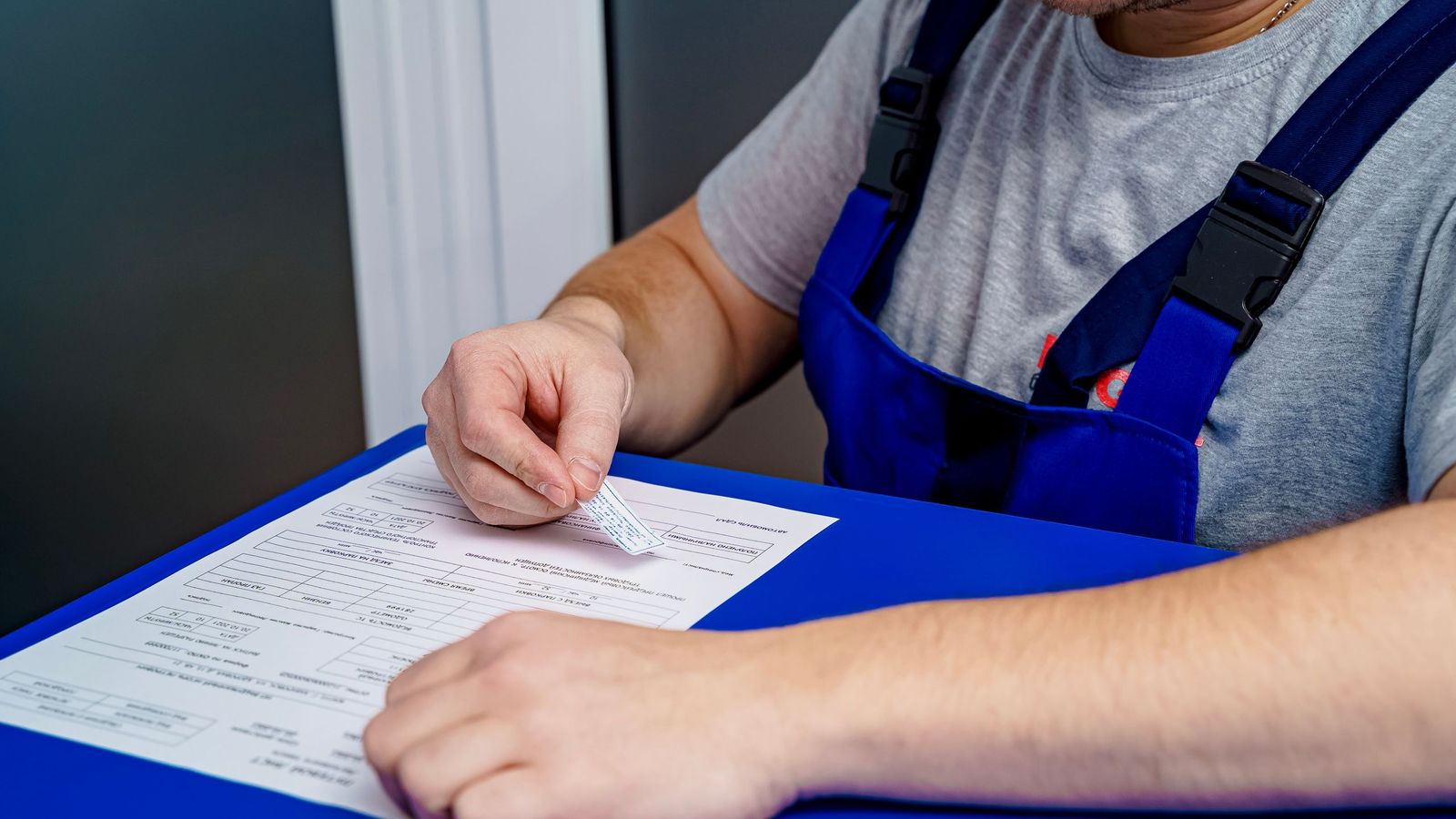
Skilled maintenance techs read an offer letter closely, and vague terms push them toward a counteroffer. This article covers what to spell out on pay, schedule, on-call, benefits, and extras, plus three phrases to cut.
Your offer letter can undo a good interview. Candidates either skim it and go straight to the pay or read it twice, compare it with what they currently earn, and decide whether the move makes sense. The details in that letter can change their minds.
If the pay, benefits, or schedule leave them with questions, they have another reason to hesitate. Some will bring the offer to their current employer to see what they can get for staying. Now you’re dealing with a counteroffer when you could have been closing the hire. A clear offer letter gives candidates the information they need to make a decision without having to chase down answers.
So what should your offer letter say about pay and benefits? Which schedule details and extras do skilled maintenance techs look for, and what wording could make them think twice about accepting?
Phrases That Send Candidates Back to Their Current Job
Before we get into what belongs in a strong offer letter, let’s clear out three phrases that work against it. They show up in offer letters across the industry and every single one of them leaves candidates holding a question the letter should have answered.
“Competitive pay” Every company uses this and candidates read it as a number you’d rather not share. The actual rate says everything this phrase leaves out.
“Benefits per company policy” This one sends people hunting through a handbook they haven’t seen yet. Start dates and costs answer the question it dodges.
“Please respond within 48 hours” A tight deadline feels like pressure, and pressure is exactly what pushes candidates to call their current boss for leverage. Five business days gives them room to talk it through at home and come back with a yes.
Cutting these three phrases is the easy part. What replaces them is where an offer letter earns the yes, and it starts with the line every candidate reads first: pay.
1. Pay, spelled out in full
It’s of course the first thing anyone checks. Every candidate wants to know exactly what they’ll take home, and an hourly rate on its own leaves them doing the math alone. A few extra details make the whole offer easier to say yes to.
Phoenix area industrial machinery mechanics earned a median of $36.46 an hour in the BLS May 2025 wage data, with the middle half of the market landing between $59,800 and $83,600 a year. Maintenance techs know exactly where they sit in that band, and the first thing they look for is where your offer sits.
“What will I make in a year?” Candidates calculate the second they open the letter. When the annual figure already sits next to the hourly rate, it tells them someone on your end thought about their side of the deal.
“How much more do I make on the second shift?” A line saying a shift differential applies leaves people guessing, and they always guess low. So seeing the premium as a set amount with the new hourly total right beside it takes the guesswork out completely.
“How much overtime can I count on?” Families budget around overtime especially in maintenance. A recent average from that shift gives candidates something solid to plan with, and it shows you’re upfront about the hours.
“What do I get paid when I’m called in?” Maintenance techs know the phone will ring after hours. What they want to know is what each call is worth: the on-call stipend, the minimum hours paid per call in, and whether travel time counts.
“When is my first raise?” A starting rate is a lot easier to accept with a clear path to the next one. They’d want to see when the first wage review happens and what earns the bump, whether that’s a training sign off or time on the job.
“What strings come with the sign on bonus?” Say the offer includes a $2,000 sign on bonus, paid as $1,000 after 30 days and $1,000 after 90, with a payback clause if they leave within six months. Spelled out like that, it reads as a fair deal. When that same payback clause first shows up in an HR packet after their first paycheck, the bonus feels like a trap, and that feeling sticks around long after the money’s spent.
2. The schedule, down to the minute
“Second shift, occasional weekends” raises more questions than it answers. Maintenance techs also carry an extra worry on top of the usual ones: how often their phone rings at midnight.
Exact shift hours and training schedule. Good practice is to state:
-
Exact start and end times (e.g., “Second shift: 2:00 p.m.–10:30 p.m.”)
-
Lunch length and whether it is paid
-
Any temporary training schedule that differs from the permanent one, including how long it lasts
Offer-letter templates for shift and maintenance roles routinely include the scheduled shift and any differentials. Leaving it as “second shift, occasional weekends” is widely viewed as insufficient because candidates need to plan childcare, carpools, second jobs, etc. before accepting.
The on call rotation. How often the rotation comes around and how many techs share it tells candidates a lot about what life outside work will look like. When the letter also covers the expected response time and any standby pay, the biggest question about the job gets answered in a couple of lines.
Planned shutdown weeks. Shutdown weeks are some of the longest and busiest stretches for maintenance. A short note that sets expectations helps candidates plan their year:
-
Rough frequency (e.g., “typically 1–2 major planned shutdowns per year”)
-
That maintenance carries most of the extra hours during those periods
-
That dates are normally posted with several weeks’ (or more) notice
You don’t need exact dates or hour-by-hour schedules in the offer letter itself. These change and should be communicated later. Just flagging the reality and the notice practice removes a big unknown without locking you into details you can’t control yet.
3. Benefits and when they start
Anyone leaving a job is about to lose their current health coverage. Two details matter immediately: when coverage begins and what it costs the employee.
“Benefits per company policy” answers neither.
-
When coverage starts. An exact effective date for medical, dental, and vision (or a clear waiting period such as “first of the month after 30 days”) lets candidates arrange bridge coverage before they resign.
-
Employee cost. The employee share of the premium for single and family coverage, along with the deductible, makes side by side comparisons easy. KFF’s 2025 Employer Health Benefits Survey found workers paid an average of 16% of the premium for single coverage ($1,440 a year) and 26% for family coverage ($6,850 a year). A plan that costs employees well below those averages deserves a front row spot in the letter.
-
Retirement match. Candidates look at the match percentage, eligibility timing, and vesting. Vanguard data puts the typical employer contribution near 4–5% of pay; anything at or above that median deserves a clear call-out.
-
First-year time off. Seeing how much PTO accrues in year one, how it builds, and which holidays are paid shows what the candidate actually gets back after leaving accrued time behind.
The Extras Maintenance Techs Notice
Maintenance techs show up with thousands of dollars of their own tools and spend their whole careers learning new equipment. An offer that skips both tells them nobody really thought about how they work.
These details don’t always show up in the formal offer letter. But when they do (or when they’re clearly explained in the materials that come with it), they stand out.
Tool and gear coverage
A tool allowance, boot reimbursement, or a clear promise to replace tools that break on the job says a lot about how a plant treats its techs. That one section often lands harder than the entire benefits page. Plenty of plants still expect techs to bring their own tools, so any real support here is a real differentiator.
Training and certification budget
Techs who want to keep growing pick the plant that invests in them, and they stick around longer once they’re there. A stated training budget that covers PLC, electrical, hydraulics, or other relevant courses shows that investment in a way they can actually count on. This one is less common in the offer letter itself and more often lives in the handbook or a separate development policy, but mentioning it early is a strong positive signal.
Introductory period and check-ins
New hires want to know when they’ll hear how things are going. A clear introductory or probationary period with set check-ins alongside their manager answers that question before day one. Most offer letters mention the length of any introductory period. The specific check-in schedule is less common, but it’s also highly appreciated when it’s included.
Two offers can match line for line on pay and benefits, and the one that answers every question before it’s asked still wins the hire.
Cannonball Recruiting helps manufacturing teams build offers candidates accept on the first read. If you’ve got a maintenance role open and want a second set of eyes on your next offer letter, send us a message and we’ll go through it together.
Frequently Asked Questions
What phrases should I avoid in a manufacturing offer letter?
Cut 'competitive pay,' 'benefits per company policy,' and 'please respond within 48 hours.' Each one leaves the candidate with a question the letter should answer. State the actual rate, the benefit start dates and costs, and give five business days to respond.
What pay details should an offer letter for a maintenance tech include?
The hourly rate with the annual figure beside it, the shift differential as a set amount with the new hourly total, a recent overtime average, on-call pay and minimum hours per call-in, when the first wage review happens, and any sign-on bonus terms, including a payback clause.
How much time should candidates get to respond to a job offer?
Five business days. A 48 hour deadline feels like pressure, and pressure pushes candidates to call their current boss for leverage. The extra days give them room to talk it through at home and come back with a yes.