
Contractors who wait until the award to start hiring often can't staff the work they win. This article shows how to bring hiring into preconstruction, let recruiting build alongside the bid, and give workforce capacity real weight in the bid decision.
What happens when you win the work and then realize you can’t fully staff it?
Even experienced companies fall into this. Bids get priced, scheduled, and awarded around numbers that check out. The actual hiring gets pushed down the list, and by the point anyone circles back to it, the best people are already gone.
That’s exactly where workforce planning belongs, right at the front end, while you can still adjust your assumptions and get ahead of the positions this project might need.
The 2025 AGC and NCCER Workforce Survey found that 45% of contractors ran into project delays because of worker shortages. If you’ve ever watched an awarded project outrun the hiring process behind it, that number probably rings a bell.
A fully staffed plan for every project on your radar isn’t the goal here. A rough read on your current capacity, your likely hiring needs, and how long those searches usually take can make all the difference. Let’s walk through when that conversation should start, how recruiting can build alongside your bid, and which workforce questions deserve a seat at the table when the final decision gets made.
Bring Hiring Into Preconstruction
Hiring belongs in the conversation early, as a simple capacity check during preconstruction.
At this point, you’re simply looking at who’s already committed to current work and figuring out what would have to shift if this next project lands.
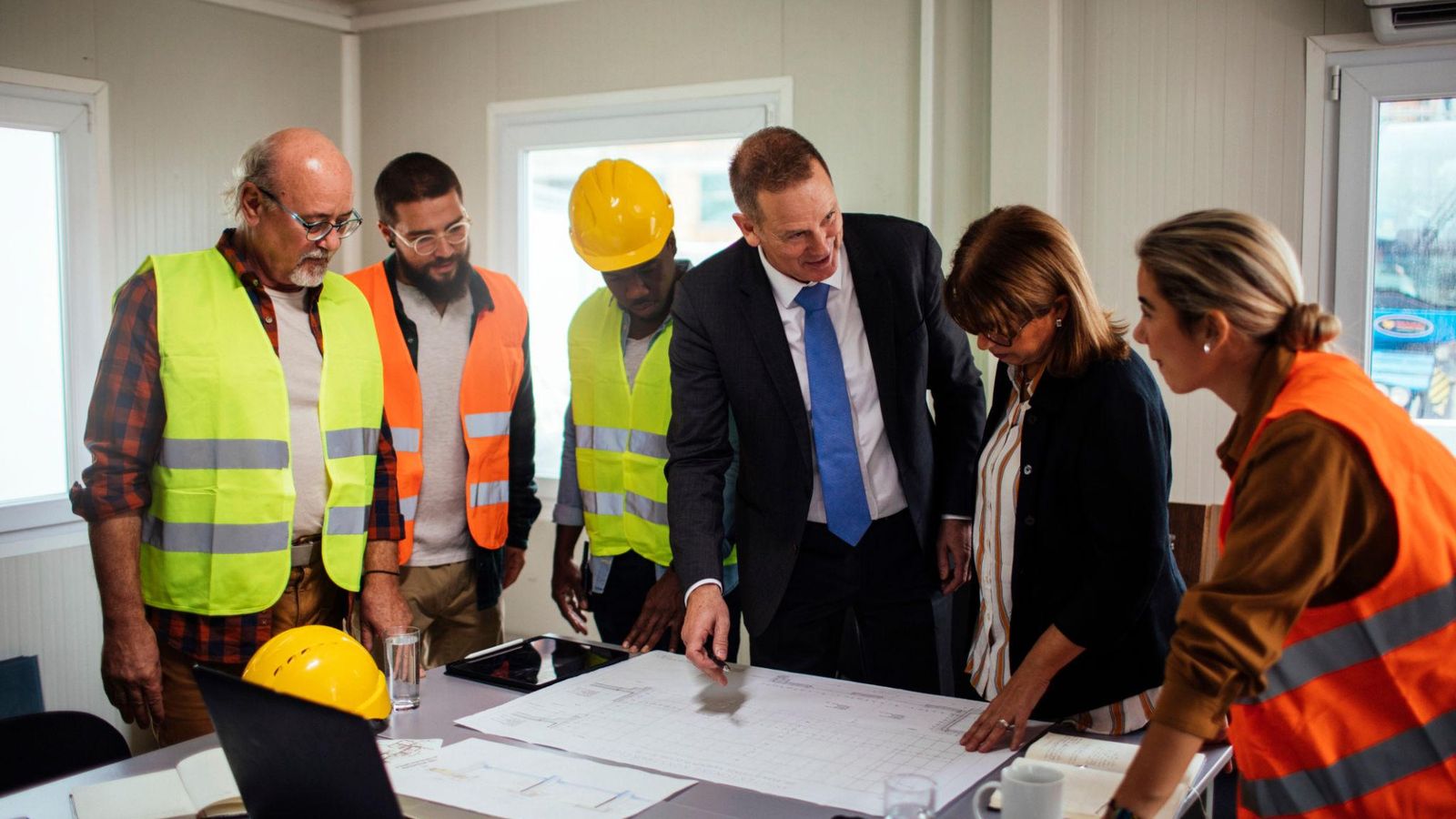
That conversation usually pulls in estimating, operations, project leadership, and whoever owns hiring. Everyone brings a different angle on the same bid. Estimating knows the scope and schedule inside out. Operations knows exactly who’s already stretched thin. Recruiting knows what’s actually happening in the local market.
A few quick questions can tell you whether the proposed team is realistic:
● Who’s actually available during the project dates you’re targeting?
● Which positions would need to come from outside your current team?
● Which role would be toughest to fill in a hurry?
● Who signs off on interviews and compensation?
These answers rarely come out perfect. Schedules shift, current projects run long, and awards land earlier or later than planned. Even a rough workforce plan beats hoping the right people happen to be free when you need them.
The 2026 AGC and Sage Construction Hiring and Business Outlook backs this up too. 63% of contractors expect to add employees this year, while 82% are struggling to fill craft positions, and 80% are struggling to fill salaried roles.
That combination says a lot. Companies expect to grow, and finding experienced people remains tough across field and office roles alike. Waiting until the award becomes official means entering the market at the exact same moment as every other contractor chasing the same talent. That delay costs more than time. It costs you the best available candidates. Skilled people with options don’t sit around waiting for you to sort out your plan.
An early conversation can also surface a few things worth knowing before they turn into problems. Someone slotted for the new project might already be maxed out. A leader you planned to move over might still be needed on the current job. A promotion might solve one need and open another somewhere else.
Those are good things to find out during preconstruction, while you still have room to adjust the schedule, change the proposed structure, or start exploring the market before your start date gets too close.
Let Recruiting Build Alongside the Bid
Recruiting can build right alongside your bid, picking up speed as your odds of winning the work improve.
In the early stage, you can define the likely hiring needs, review compensation, and talk through whether the local market can support the plan. A recruiting partner can also give you an early gut check on candidate availability without launching a full search.
That early market check can be surprisingly helpful. A pay range that worked a year ago might not pull the same interest today, or a role that sounds simple internally might be tough to find locally. You might also learn that qualified people are out there, but their notice periods or current project commitments will affect your start date.
These conversations hand you better information while you’ve still got room to use it.
Once you reach a shortlist, negotiation, or preferred-bidder stage, outreach can get more active. Recruiters can start speaking discreetly with people who might fit the likely need, staying upfront the whole time that the project hasn’t been awarded yet.
That relationship-first approach fits construction well, because timing matters on both sides. Experienced people might be wrapping up another project, weighing a few options, or waiting for the right location and team. Starting the conversation early gives you time to build interest without pushing anyone into a rushed decision.
When the work gets awarded, you can move straight into interviews and offers with the groundwork already handled. The role’s been discussed, compensation’s reviewed, your decision makers know when they need to be available, and interested candidates already understand the opportunity.
Opening the search after the award looks different. You spend the first several weeks sorting out details internally while the schedule keeps moving, and your current team usually ends up covering whatever’s missing.
ABC’s Construction Backlog Indicator measured 8.8 months in June 2026. Contractor expectations for staffing stayed positive too. Backlog gives you a reasonable sense of the work ahead, even before every project gets fully secured.
Hiring plans can follow that same logic. You can prepare around work under contract, likely awards, and projects getting closer to a decision. Recruiting activity picks up as your confidence rises, but the workforce conversation stays active the whole time.
That approach gives you flexibility on cost as well. You’re not committing money to a search that might not happen. And if this particular bid doesn’t come through, the relationships you built along the way carry forward to whatever opportunity comes next.
Give Workforce Capacity a Seat in the Bid Decision
Workforce capacity deserves enough pull to change the bid.
If you can’t see a credible path to staffing the work, that should affect your proposed schedule, price, project structure, or whether you pursue it at all. The staffing plan deserves the same weight as your other delivery risks, because the project will eventually depend on the team you put on it.
Recruiting’s role here is simple. Give your bid team a grounded, realistic sense of what you can actually support before you commit to anything. That clarity keeps the schedule realistic and keeps your team out of a position where they’re improvising staffing after the ink is already dry.
When you get to the final review, a few practical questions belong on the table:
● Who can lead this without leaving another job exposed?
● Which position could hold up the start?
● How much time do you realistically have to make the hire?
● What’s your backup if the first choice doesn’t work out?
Working through these usually produces a smarter plan than a flat yes or no would.
From there, you might adjust the start date, kick off one search earlier, bring in temporary coverage for part of the project, or shift which current employees get assigned. You might also decide the project’s a good fit, as long as a specific hire happens before mobilization.
For Arizona contractors specifically, local market conditions deserve a closer look as well. Construction employment in the Phoenix-Mesa-Chandler area grew 1.4% from June 2025 to June 2026, according to the Arizona Office of Economic Opportunity.
Hiring conditions shift based on location, project type, schedule, compensation, and the experience required. A workforce plan built around an old search or a different part of the state can leave you with a false sense of confidence.
Local relationships fill in the details that data can’t. Staying close to your recruiting partners, industry contacts, and potential candidates gives you a better sense of who’s available and what it’ll take to earn their interest.
That kind of insight belongs in the bid conversation while you’ve still got options on the table. Once the project’s awarded and the start date is locked, every hiring decision carries more pressure.
With that said, bring hiring into the conversation during preconstruction, before your options narrow and the pressure sets in. A growing backlog feels a lot less exciting when your current leaders and crews are already carrying everything they can handle. Working workforce planning into your bid process gives you a clearer picture of which opportunities you can actually support, and where you’ll need recruiting help to get there. Making this a habit takes the fire-drill feeling out of every big project that lands.
Bidding work that’ll need more project leadership or field capacity than you’ve got right now?
Cannonball Recruiting helps Arizona contractors get ahead of those hires around your actual project timelines, so talk to us before the award starts the clock, and pass this along to whoever’s leading your next bid review.
Frequently Asked Questions
When should a contractor start hiring for a project they're bidding?
Start with a simple capacity check during preconstruction, looking at who is committed to current work and what would shift if the project lands. Waiting for the award puts you in the market at the same time as every other contractor chasing the same people.
Can recruiting start before a construction project is awarded?
Yes. Early on you can define likely needs, review compensation, and get a read on candidate availability without a full search. At the shortlist or preferred-bidder stage, recruiters can talk discreetly with potential fits while being upfront that the project isn't awarded yet.
What workforce questions belong in the final bid review?
Who can lead the project without leaving another job exposed, which position could hold up the start, how much time you have to make the hire, and what your backup is if the first choice doesn't work out.